As a developing economy, India has numerous developmental aspirations. How India meets these goals without worsening the climate crisis is at the heart of CSTEP's work. Addressing climate change and enabling a secure and sustainable future for Indian citizens require an overhaul of previous paradigms on development and resource utilisation. This is reflected in our work on developing low-carbon trajectories for development with an emphasis on nature-based solutions.
We are working with state governments across India to build capacity on risk and vulnerability assessments to inform their respective action plans on climate change. The transition from fossil fuels to renewable energy is crucial to achieving a secure and sustainable future. CSTEP's studies explore the possibility of a greater integration of renewables in the energy sector.





A Sustainable Development Framework for India’s Climate Policy
This paper investigates whether the goal of universal energy access in the post-MDGs dialogue sufficiently
addresses the challenges faced by the Southern countries Though access to energy is an important precondition
for development and resilience to socio-economic and climate variability and change, about 17
million people lack access to electricity Hence, the post-MDGs dialogue mandates attention to energy poverty
reduction A critical review of literature on the dialogue was conducted to analyse gaps in the current
Holistic fertiliser policy can dramatically increase crop yields
Solutions suggested time and again seem to focus on loan waivers and minimum support prices, which may not prove effective in the long run. We need to focus on supply-side factors as well, most importantly on boosting productivity and yield quality.
Plastic: The evil convenience
This paper speaks about how plastic is ruining our waters and affecting the living species.Also proposing ways to reduce plastic.
E20 by 2020: Hold your breath!
The National Policy on Biofuels 2018 sets an ethanol-blending target of E20 by 2030. However, if the dispersion modelling results for India look promising for ethanol fuels, policymakers could push for an ambitious 'E20 by 2020' mandate
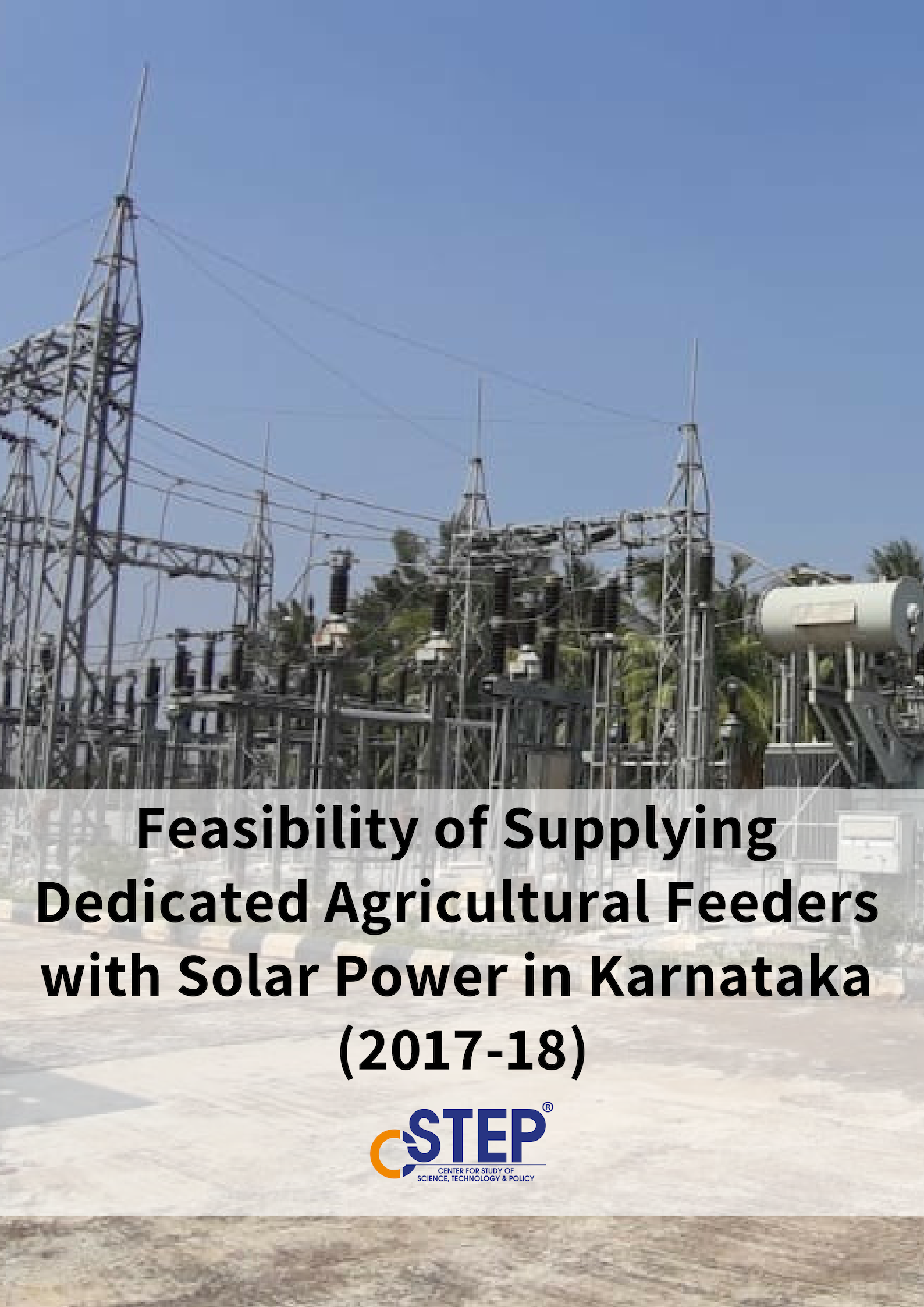
It is critical to undertake infrastructure assessment studies related to supply chain, grid infrastructure and logistics
An interview to answer some key questions on offshore wind technology, policy and potential.
Lessons for other cites in Bengaluru's new framework for urban transport
Bengaluru's history of multiple (and often competing) transport agencies is a major reason for such unsustainable projects being proposed and implemented. To avoid such situations, Bengaluru needs to have a unified agency, a UMTA, which would have the power to invest in sustainable transport projects.
Health sub-centres crying for attention
In India, 75% of dispensaries, 60% of hospitals and 80% of doctors are in urban areas, serving just 28% of the population. Meanwhile, 72% of the population, who reside in rural areas, face a chronic lack of medical facilities
Bio-adsorbents: Cost-effective option for ridding industrial wastewater of heavy metals
Reuse of industrial wastewater has been in practice for a long time in India, and this water is mainly used for agriculture purposes in nearby areas. However, this has led to high levels of heavy metal concentration in vegetables grown with industrial wastewater.
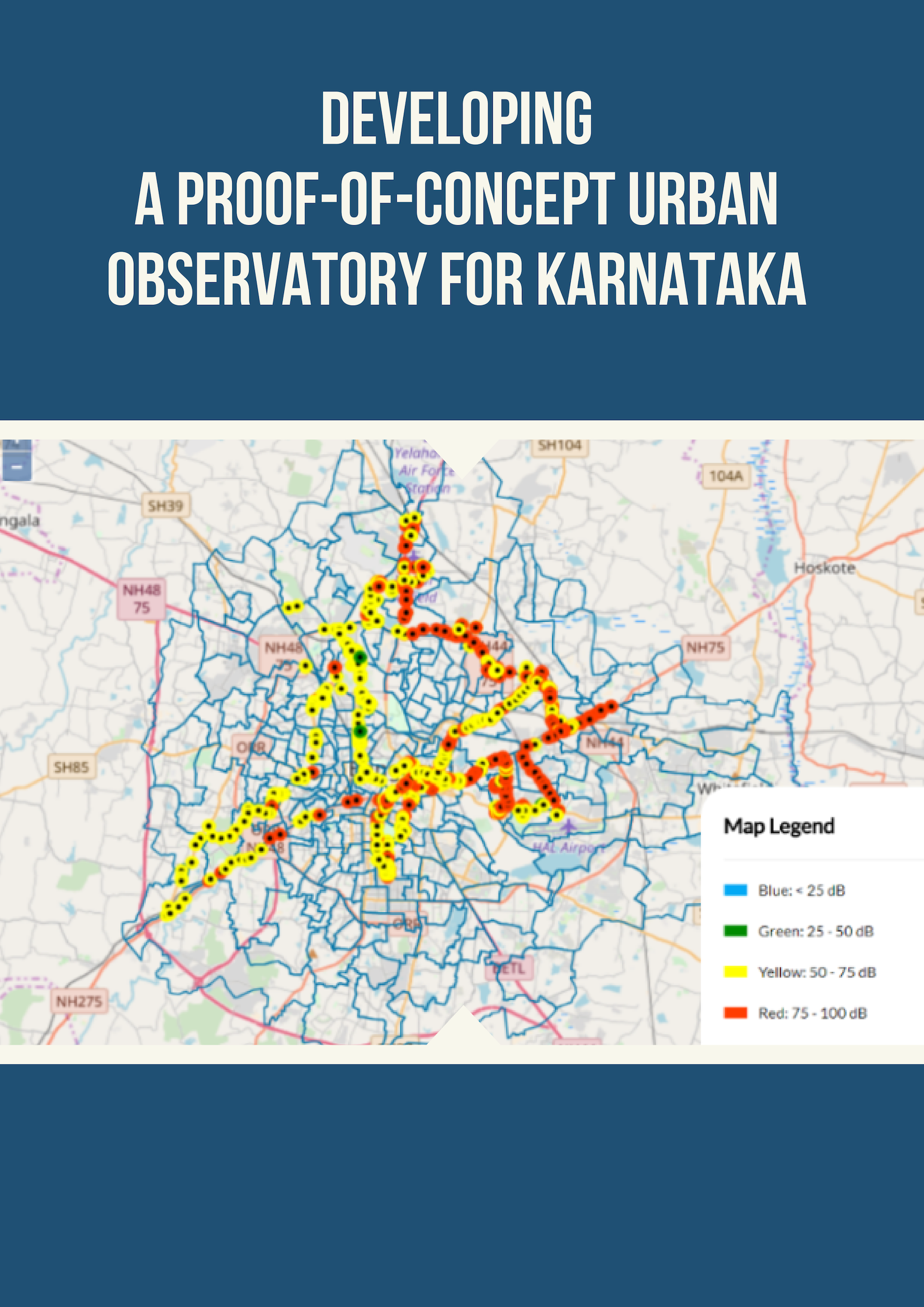
Sustainable Urban Planning Strategies - Urban Observatory
The Proof of Concept (PoC) Urban Observatory for Bengaluru and Karnataka developed under this study provides the basic architecture for an Urban Observatory. It further demonstrates how a complete data story can be presented by collecting, integrating, analysing and visualising data from multiple sources around a specific theme. This PoC can be expanded to explore other urban themes and can be replicated to create similar observatories for other cities in Karnataka.
Institutional Integration of BMTC and BMRCL
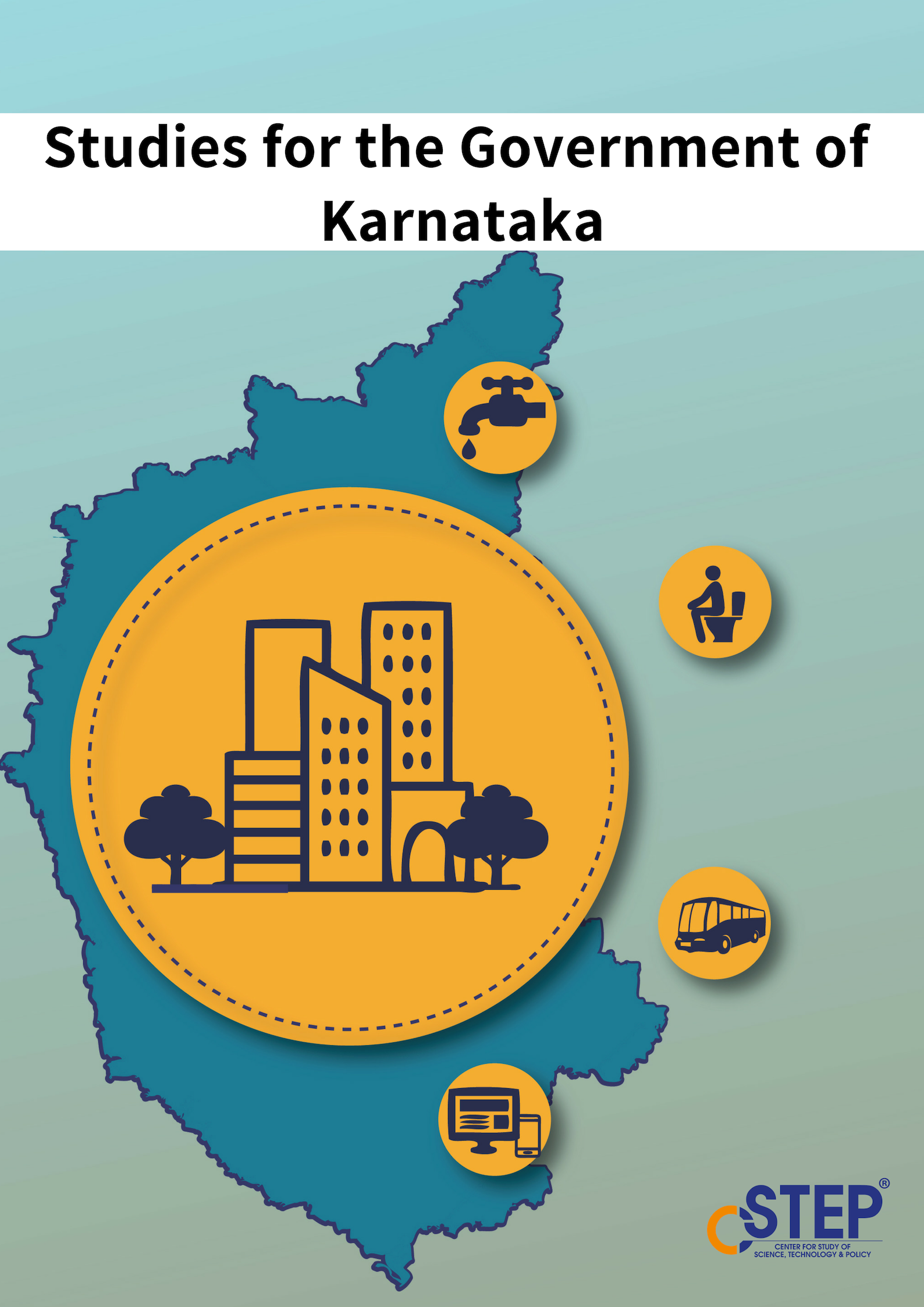
CSTEP provides recommendations for seamless integration between public transport systems (BMTC and BMRCL) in Bengaluru. The project was part of a series of studies done for the Government of Karnataka.